What Causes Plantar Fasciitis?
Plantar fasciitis is rarely the result of a single event. It typically develops through a combination of factors that place sustained, repetitive strain on the fascia:

Our specialist clinic, based in Wantage, Oxfordshire, welcomes patients from across the surrounding counties, including Berkshire, Buckinghamshire, Wiltshire, Hampshire, and Gloucestershire. Plantar fasciitis can be an incredibly painful and disabling condition — significantly impacting daily activity, work life, and mobility, and often turning routine tasks into painful challenges. The constant, nagging pain combined with the inability to partake in normal activities can lead to frustration, anxiety, and low mood.
We are proud to offer our patients a comprehensive, evidence-based “Gold Standard” treatment approach. Our model of care is focused not only on symptom relief, but on identifying and addressing the underlying orthopaedic and lifestyle factors contributing to the condition. By targeting the root causes, we aim to achieve sustainable, long-term resolution rather than temporary relief.
Our Consultant led, advanced treatment protocols are clinically driven, outcome-focused, and tailored to the individual. The result is an improvement in pain, restoration of function, and a return to a normal, active lifestyle. It’s a game changer.
Plantar fasciitis is the most common cause of foot pain, affecting approximately 1 in 10 adults. It occurs when the plantar fascia, a strong fibrous band of tissue that runs from your heel bone to the ball of your foot, becomes inflamed due to overuse, repetitive strain, or micro-tears at the point where it attaches to your heel bone.
While this condition can feel incredibly disabling, affecting your ability to work, exercise, and enjoy daily life, it is highly treatable with the right clinical approach.
Plantar fasciitis often develops gradually, and many patients spend months managing symptoms without ever addressing the root cause. If these signs feel familiar, a specialist assessment can provide the definitive diagnosis you need to start your recovery.
Painful First Steps
Is your first step out of bed each morning greeted by sharp, stabbing pain in your heel?
An Ache That Varies
Do you notice a dull, persistent ache in your foot that worsens after activity or long periods of standing?
Work & Lifestyle Limits
Is heel pain stopping you from standing for long periods, exercising, or simply getting through your working day?
Pain Spreading Elsewhere
Have you started to notice new aches in your knees, hips, or back — possibly because you are walking differently to protect your heel?
Plantar fasciitis often develops gradually, and many patients spend months managing symptoms without ever addressing the root cause. If these signs feel familiar, a specialist assessment can provide the definitive diagnosis you need to start your recovery.
Plantar fasciitis is rarely the result of a single event. It typically develops through a combination of factors that place sustained, repetitive strain on the fascia:

Strain Running, walking, or dancing — particularly when activity levels increase suddenly.

Occupations requiring long hours on hard floors, such as healthcare, retail, or manufacturing.

Structural issues including flat feet or high arches that alter how load is distributed through the foot.
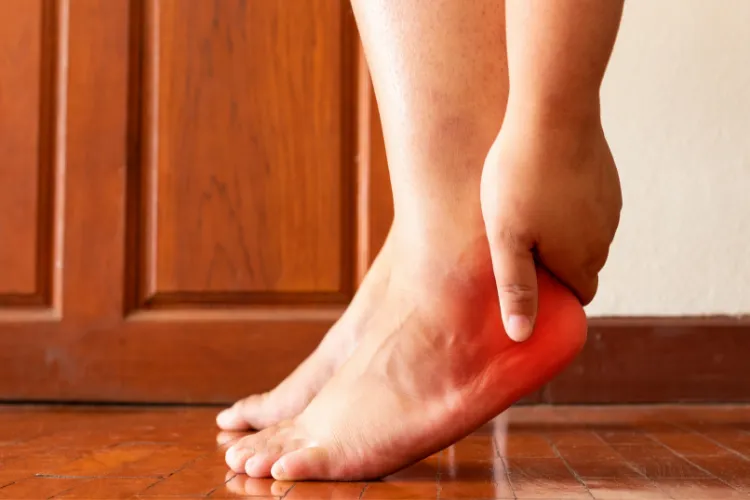
Tight calves and hamstrings reduce ankle mobility, placing greater stress on the fascia.

Shoes with poor arch support, inadequate cushioning, or walking barefoot on hard surfaces.
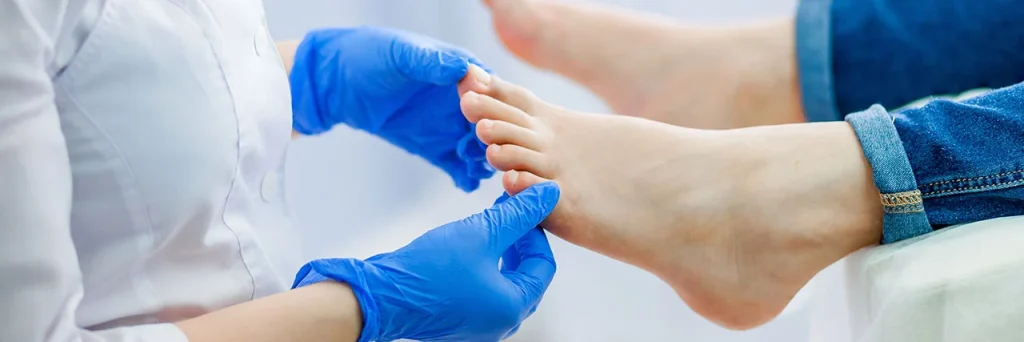
Excess body weight places sustained additional pressure on the plantar fascia.
Understanding your specific causes is central to preventing the condition from returning — which is why our assessment goes beyond diagnosis.
Our care is designed to treat the immediate inflammation and correct the orthopaedic and lifestyle factors that caused it — so the condition doesn’t come back.
1. Diagnosis
We use diagnostic ultrasound imaging to achieve a definitive diagnosis. This allows us to measure the thickness of the plantar fascia — typically 2–4mm in a healthy foot — and identify the exact area of inflammation. Heel pain can have several causes, so a confirmed diagnosis ensures you receive the right treatment from the outset.
2. Pain Relief
We offer ultrasound-guided corticosteroid injections under local anaesthetic to treat the inflamed fascia directly, with precision and maximum patient comfort.
3. Prevention
Once the pain is managed, we address the cause. This includes bespoke orthotics to correct foot mechanics, a structured stretching programme, and specialist footwear advice — to ensure your results are lasting.
Our evidence-based approach treats both the inflammation and the underlying cause, which is why our results are so consistent. We deliver each step with clinical precision, using advanced diagnostic technology throughout.
1. Orthopaedic Assessment
You will be seen by our Consultant Podiatrist who will carry out a thorough examination which will include clinical tests with you sat up, led down, stood up and walking. The aim of this is to identify any orthopaedic issues that are likely causal factors for developing Plantar Fasciitis.
[View More]
2. Diagnostic Ultrasound Scan
We use diagnostic ultrasound imaging to confirm your diagnosis and map the exact location and extent of inflammation in the fascia. This ensures every stage of your treatment is targeted correctly and that no other condition is missed.
[View More]
3. Ultrasound-Guided Corticosteroid Injection
We inject a precise dose of corticosteroid anti-inflammatory medication directly into the inflamed fascia under ultrasound guidance. This delivers the medication exactly where it is needed, reduces the risk to surrounding tissue, and provides effective, targeted pain relief.
4. Bespoke Orthotics & Rehabilitation
We create custom-fitted orthotics shaped to the exact contours of your foot, designed to correct the specific mechanical issue contributing to your condition, including flat feet, high arches, or altered gait. Combined with a structured stretching programme and footwear advice, this step is designed to prevent recurrence and maintain your recovery long-term.
Our approach targets both the symptoms and the source. By combining precise diagnostic imaging, targeted injection therapy, and bespoke orthotics, we achieve consistent results that rest, generic insoles, and self-management simply cannot match.
Treatment | Outcome |
Rest, Ice & Self-Management | Temporary relief; high recurrence rate |
Generic Insoles & Physiotherapy | Partial improvement; root cause often untreated |
Cortisone Injection Alone | Short-term improvement; frequent recurrence without correction |
Hartland Evidence-Based Pathway | ~90% long-term resolution |
The results speak for themselves. Below are examples of real patient outcomes following our treatment pathway.
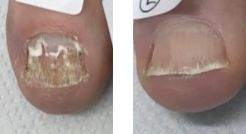
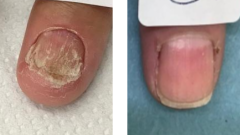
Every case is different. During your assessment, we will give you a clear, honest picture of what to expect based on your specific presentation.
Our evidence-based pathway combines diagnostic ultrasound imaging with ultrasound-guided corticosteroid injections, bespoke orthotics, and structured rehabilitation. By treating both the inflammation and the underlying cause, we aim to get around 90% of patients back to a pain-free, active life.
Plantar fasciitis is caused by repetitive strain and micro-tears in the fascia. Without addressing the underlying orthopaedic factors — such as flat feet, muscle tightness, or inappropriate footwear — the fascia cannot heal fully, and the condition becomes chronic. Many patients have tried stretching and rest with limited success because these approaches do not correct the root cause.
Yes. Many patients unconsciously alter their gait to protect the painful heel, which places unnatural strain on the knees, hips, and lower back. Treating the foot often resolves these secondary symptoms too.
Not necessarily. Your treatment plan will be determined at your assessment based on the severity of your inflammation and your individual circumstances. For many patients, an ultrasound-guided corticosteroid injection provides rapid, effective relief — but it is always discussed fully before any procedure takes place.
The injection is administered under local anaesthetic, making the procedure well-tolerated by the vast majority of patients. Some mild discomfort may be felt as the anaesthetic takes effect, but the treatment itself is typically painless.
Bespoke orthotics are custom-made insoles, shaped to the exact contours of your foot, designed to correct the specific mechanical issue contributing to your plantar fasciitis. Unlike off-the-shelf insoles, they are individually prescribed and manufactured to address your particular foot structure, making them significantly more effective at preventing recurrence.
Most patients notice significant improvement within four to six weeks of treatment. Full recovery, including the prevention phase, typically takes around three months, though this can vary depending on the severity and duration of your condition.
The Initial Orthopaedic Assessment is £160, and a Diagnostic Ultrasound Scan is £250. If required, ultrasound-guided corticosteroid injections are £530 per foot. An orthotic scan is £30, and bespoke orthotics start from £295 for the first pair. We will provide a full cost breakdown at your assessment based on your individual treatment plan.
“Plantar fasciitis can be a challenging condition to treat. Our treatment pathway can get about 90% of patients back to a pain-free, active, and normal life.”
— Mr Paul Kirkland, Consultant Podiatrist
“I could hardly walk and had to have time off work — the pain was awful. It had been going on for months. I had tried stretches, icing my foot, and anti-inflammatories — nothing worked. I made an appointment at The Hartland Podiatry Clinic and saw Mr Kirkland. He scanned my foot, found the problem, sorted me out, and after six weeks I was almost pain-free and back to normal activity. If anyone has this problem, this is the clinic to go to — they were great!”
“I went to Paul at Hartland Podiatry for pain in my left foot which I had been struggling with for nearly two years. Following discussion and a full explanation, I had my foot injected and the pain stopped — I cannot explain the relief. Paul also identified that my right leg was shorter than my left, which was contributing to increasing back pain that had been making it difficult to walk. Six weeks after having bespoke orthotics fitted, my back is so much better, my foot is pain-free, and I am increasing my walking and exercise every week. I cannot recommend him enough — they changed my life.”

Take the first step toward pain-free living. Join patients from across Oxfordshire, Berkshire, Buckinghamshire, Wiltshire, Hampshire, and Gloucestershire who have found a reliable, long-term solution at our specialist clinic.